In the famous cartoon Spongebob Squarepants, Spongebob, as a sponge, shows significant ability to sustain damage. Although it is fictional and there are a lot of exaggerations, in real life, sponges do have amazing ability to regenerate. Some sponges can even generate a whole functional body from merely a number of dissociated cells.
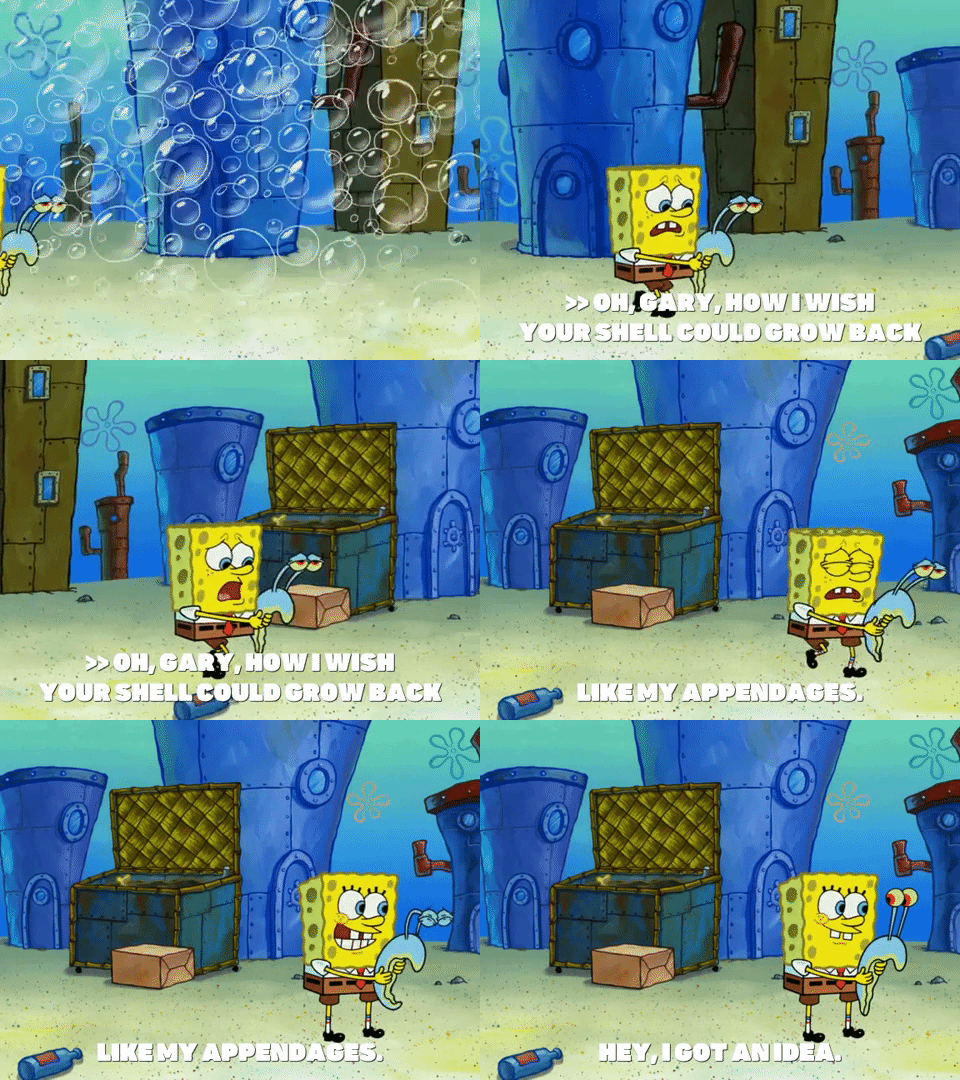
As we all know, not all organisms could do it. So, in terms of the ability to regenerate, where do sponges sit? What can we learn from sponges and other organisms that could or could not regenerate? How can biologists use the knowledge to help people and other animals who are wounded or ill? Presented below is a list of organisms with different regeneration potentials.
Discovering these organisms’ regeneration potential is only the first step. Scientists are now working on understanding the mechanisms on cellular and molecular level. As we all know, cells are the building blocks of complex organisms. Among the cells, stem cells are a group of cells that possess the ability to divide and differentiate into different types of cells. Without further ado, let us look at some of the organisms.
8) Humans
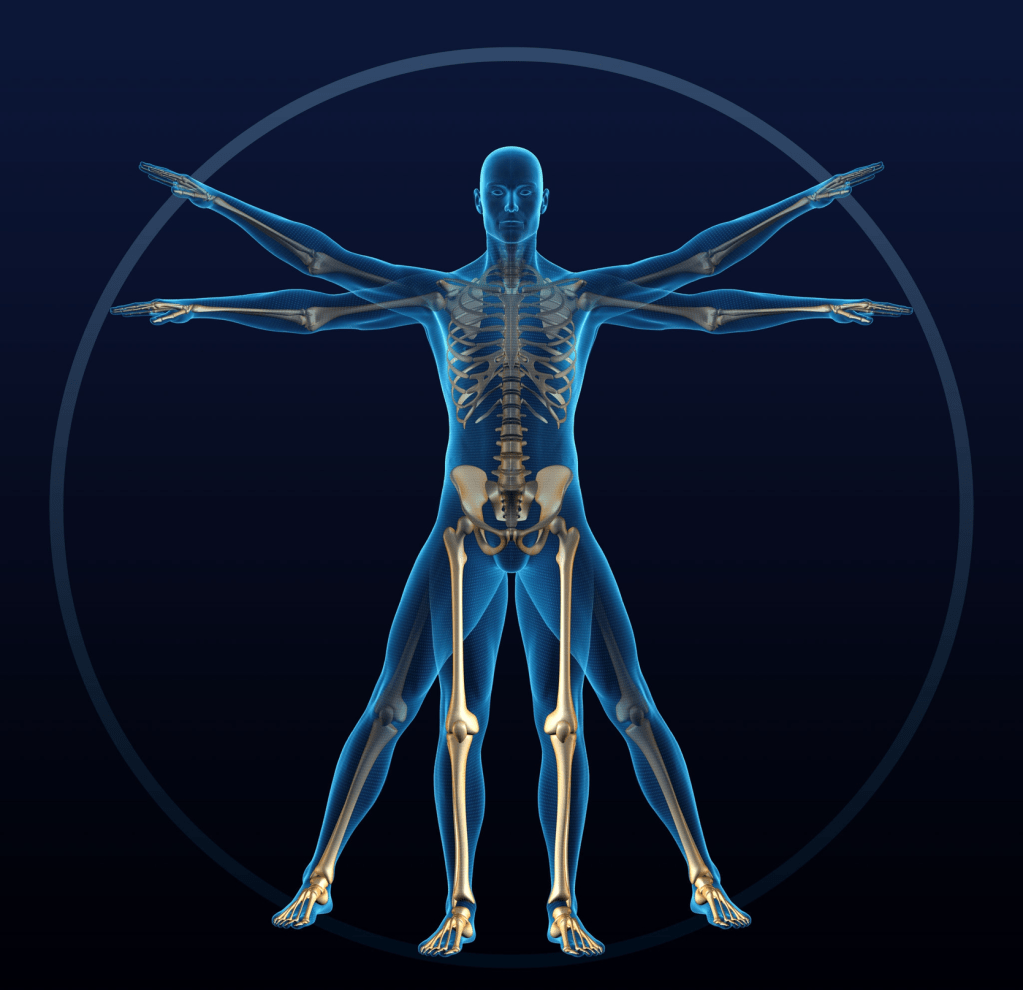
After hearing about the potential of stem cells, you may be wondering why humans can’t regrow their arms if lost in unfortunate accidents or amputations. Although we can’t regrow lost limbs, we humans can replace cells in simple tissues; we continue to replace cells in our gut, muscles, and skin, just to give a few examples. So why can’t we regrow limbs? This is actually something that researchers are trying to answer to this day, since in theory we should be able to do so as we have all the necessary information to build these parts in all of our cells. We are also quite bad at repairing wounded tissues, as the healing process is imperfect and usually results in scarring. Some ideas researchers have about this poor ability to regenerate revolves around our immune system, as well as the sheer size of our body size compared to some smaller organisms, but these are likely just a part of the larger, complex picture of human regeneration. Do you have any other ideas?
7) Deer
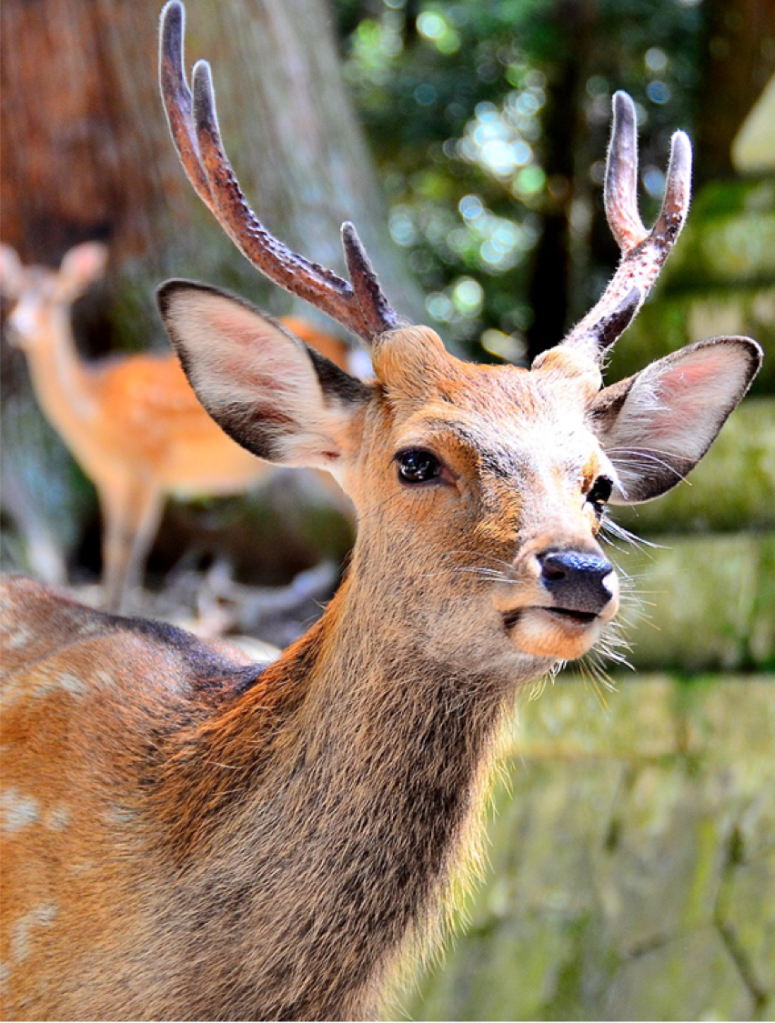
One step further from the regenerative capabilities of humans, are deer and their antlers. Being the only mammal that can regenerate whole organs, these animals shed their antlers from the previous year and regrow an entirely new antler over the summer months. These antlers are quite complex structures, being composed of a variety of cell types such as skin, blood vessels and bones.
This regeneration is thought to be done by stem cells that already specialise in making these specific cell types, instead of relying on the reprogramming of cells to create these required cells. The speed at which this happens is also quite remarkable, with a whole antler weighing around 30 kg being in 3 months. This kind of rapid proliferation usually involves the risks of uncontrolled proliferation; but there are thought to be molecular mechanisms in place to prevent its spread and becoming cancerous.

6) Zebrafish
Although zebrafish is small compared to the animals mentioned previously, it has contributed to the area of medicine in a huge way. Unlike mammals, zebrafish can fix its ‘broken’ heart and is one of the most important animal models for the study of regenerative biology. One significant trait that attracts researchers is the regeneration of heart tissues. When a human heart gets damaged, the organ often ends up scarring and the heart can no longer function efficiently. However, the zebrafish’s heart can close up its wound rapidly, forming clots. Then, the cardiomyocytes (the heart’s cells) can be turned into satellite cells and proliferate to grow new cardiac tissues. At the same time, the cells at the border of the heart called epicardial will proliferate fully cover the wound. Besides heart regeneration zebrafish can also regenerate its spinal cord! They can regrow their axons and restore the basic functions such as sights or swimming behaviours.
Watch these cool videos of zebrafish regenerating
Zebrafish heart regeneration (https://www.youtube.com/watch?v=6hzD2AmyfTc)
Zebrafish spinal cord regeneration (https://www.youtube.com/watch?v=VWQWIyXvZKs)
5) Urodeles
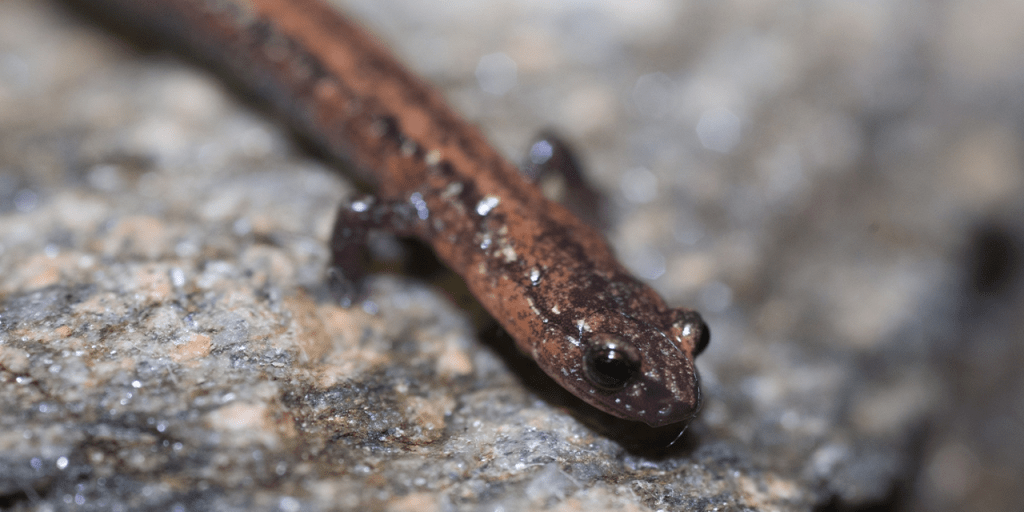
Urodeles (aka Salamanders) are a group of amphibians have an uncanny ability to regenerate complete limb structures. The regenerating cells and tissue are able to identify their relative positions to each other and develop accordingly to form an entire limb, tail, spine, jaws, and even eyes.
Studies into the newt’s limb regeneration have found that following amputation, cells at the wound surface reorganise into an epidermal cap over the wound. The cells that make up this cap produce molecular signals that are vital to the regeneration process.
Researchers at the University of Tsukuba found that fully developed skeletal muscle fibre cells in the amputated limb are able to de-differentiate from their specialised roles and start to dividing, creating more cells for the formation of limb structures. The group of cells that undergo this dedifferentiation to a more primitive form is called a blastema.
What is even more remarkable is that the growing cells are able to determine their location and relative position to other cells during the extension of the regrowing limb and change their gene expression patterns and start to form more complex structures like the fingers.
The researchers believe that these findings will provide an insight into tissue regeneration in general and applications in regenerative medicine for humans.
Salamander limb regeneration video (https://www.youtube.com/watch?v=byLDgtSMI0w)
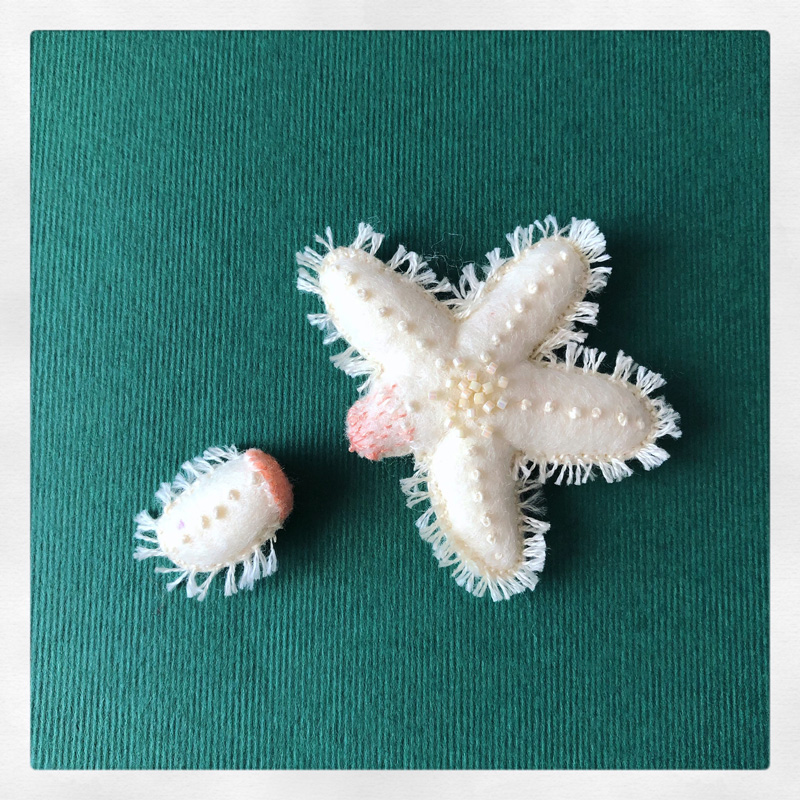
4) Starfish
Another aquatic organisms that can have the regeneration capabilities are the starfishes. Some species of starfish can regenerate a whole new body from a single arm while others need the core of the body to regenerate. Starfish may lose their limbs to avoid predators and diseases, or due to environmental responses such as overheating.According to multiple studies, the overall healing process can be divided into 3 stages – repair period, early regenerative period and advanced regenerative period, and these were determined by observing the regrowth of lost limbs. Starfish’s stem cells do not have fixed identities until they are being signalled to perform a specific task, which explains the species’ amazing regeneration ability.
Starfish regeneration : https://www.youtube.com/watch?v=AaN6uRvfPL
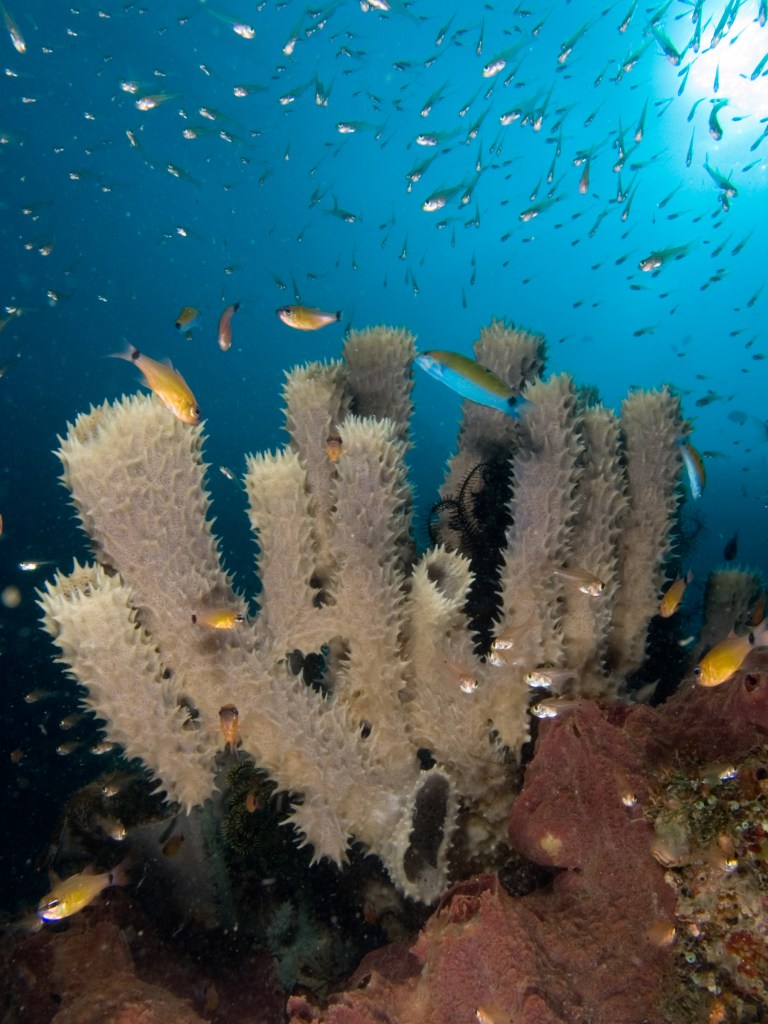
3) Sponge
A marine species that can also regenerate, but is often overlooked by the public is the sponge. They can regenerate their whole body from a tiny fragment if the condition is right! And if the environment is not ideal for them to regrow, those tiny fragments will form gemmules a.k.a ‘survival pods’ of undifferentiated cells and wait for a better condition to grow. Sponges can have this unique mechanism due to the lack of multiple specialised organs. The cells must first settle on a surface, and they will become a set of special cells called pinacocytes before growing into larger aggregates, and a young sponge will be nurtured from the base afterward.
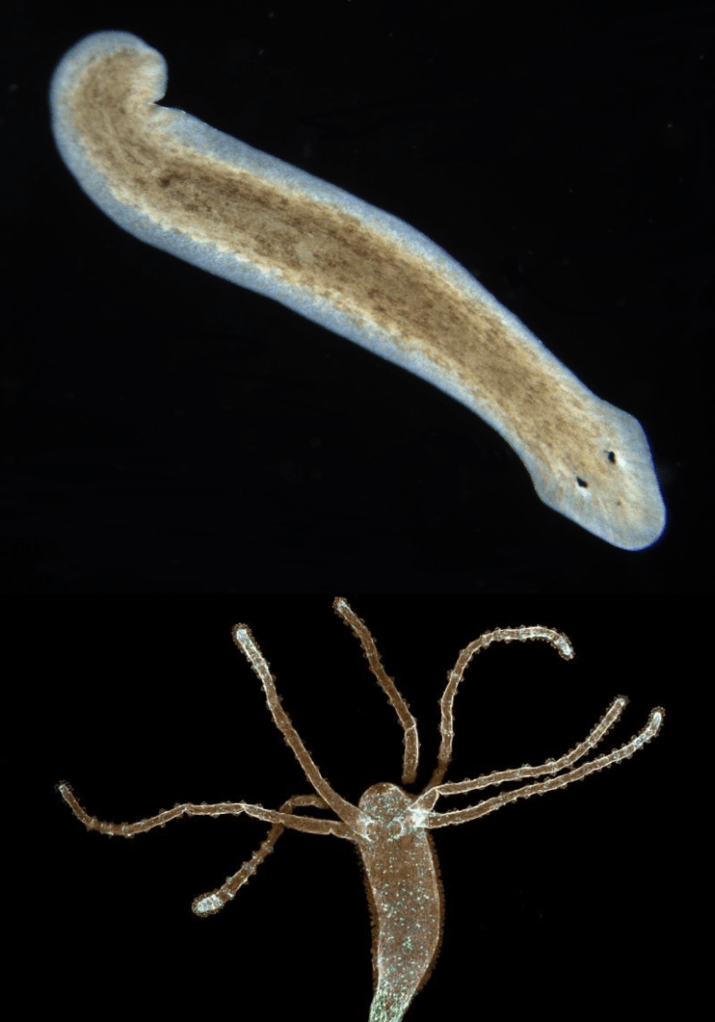
=1) Planarians and Flatworms
Tiers above many living creatures, planarians have one of the most fascinating regenerative abilities. Planarians can undergo dramatic changes in body size and regenerate their entire body plan from small pieces after being cut. This remarkable morphological plasticity has made them an excellent model in which to analyze phenomena such as morphogenesis, restoration of pattern and polarity, control of tissue proportions and tissue homeostasis. This ‘superpower’ is provided by a special set of cells called neoblasts. Neoblasts are small, round or ovoid undifferentiated cells that are pluripotent; they can become all types of cells, including germ cells. Therefore, planarians have become a model for research into development and regenerative medicine. By uncovering the secrets to their amazing ability, we can unlock new solutions for organ damage and amputations in humans.
Another organism with superior regenerative abilities is the Hydra, a freshwater polyp. Hydra is one of the oldest model systems in experimental developmental biology. Its regenerative abilities are extraordinary, with it being able to regenerate body parts but also regenerate entire animals from a clump of dissociated tissues. Furthermore, hydra polyps can also be pulled apart into single cells and still regenerate a complete body axis from aggregates of these cells. The extreme regenerative capabilities of planarians and hydras are achievable likely due to the size and simplicity of these organisms as it would also be a challenge to planarians and hydras to regenerate billions of cells.

 Top 8 Most Regenerative Animals